What to Do If a Crown Falls Off in a Dental Emergency
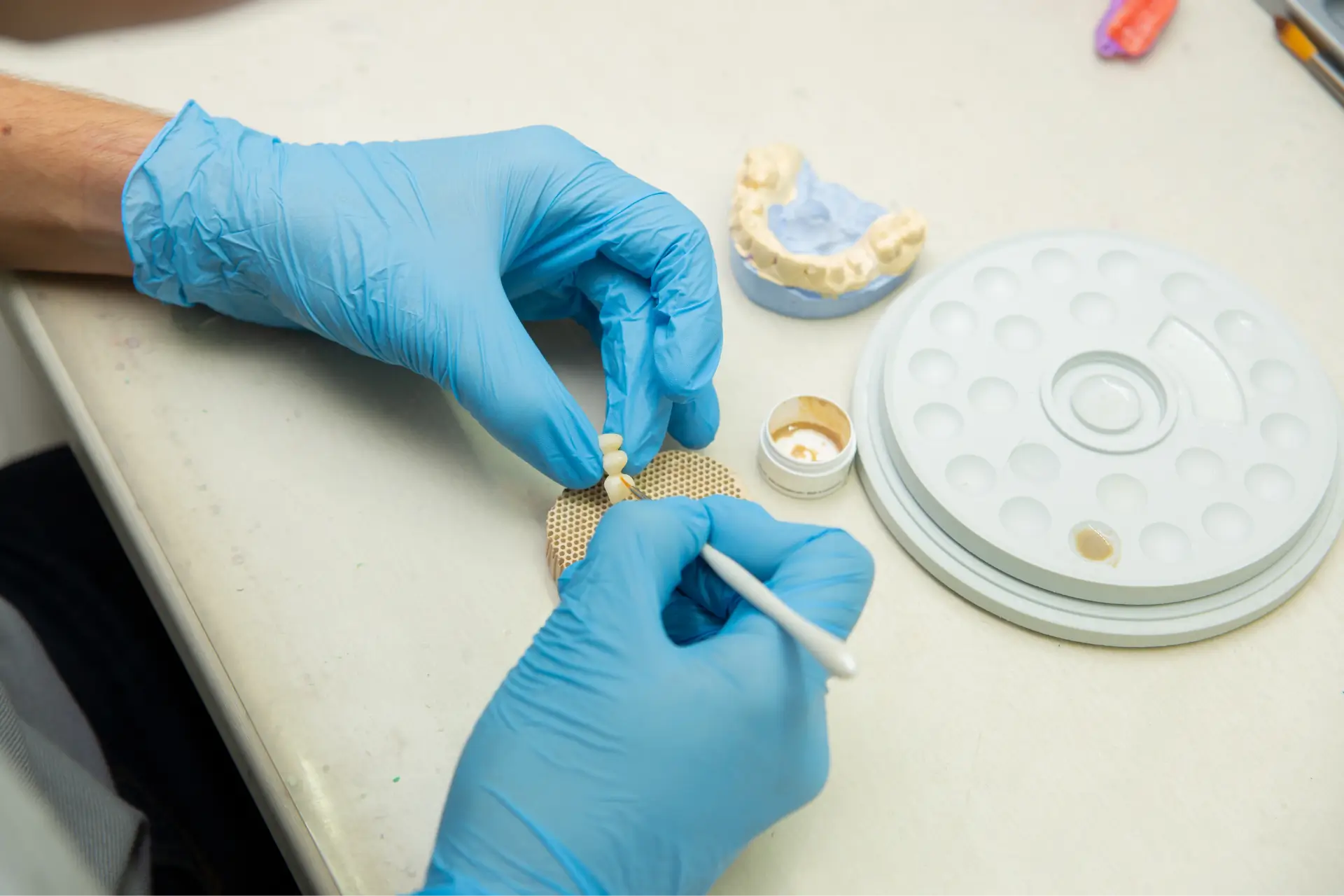
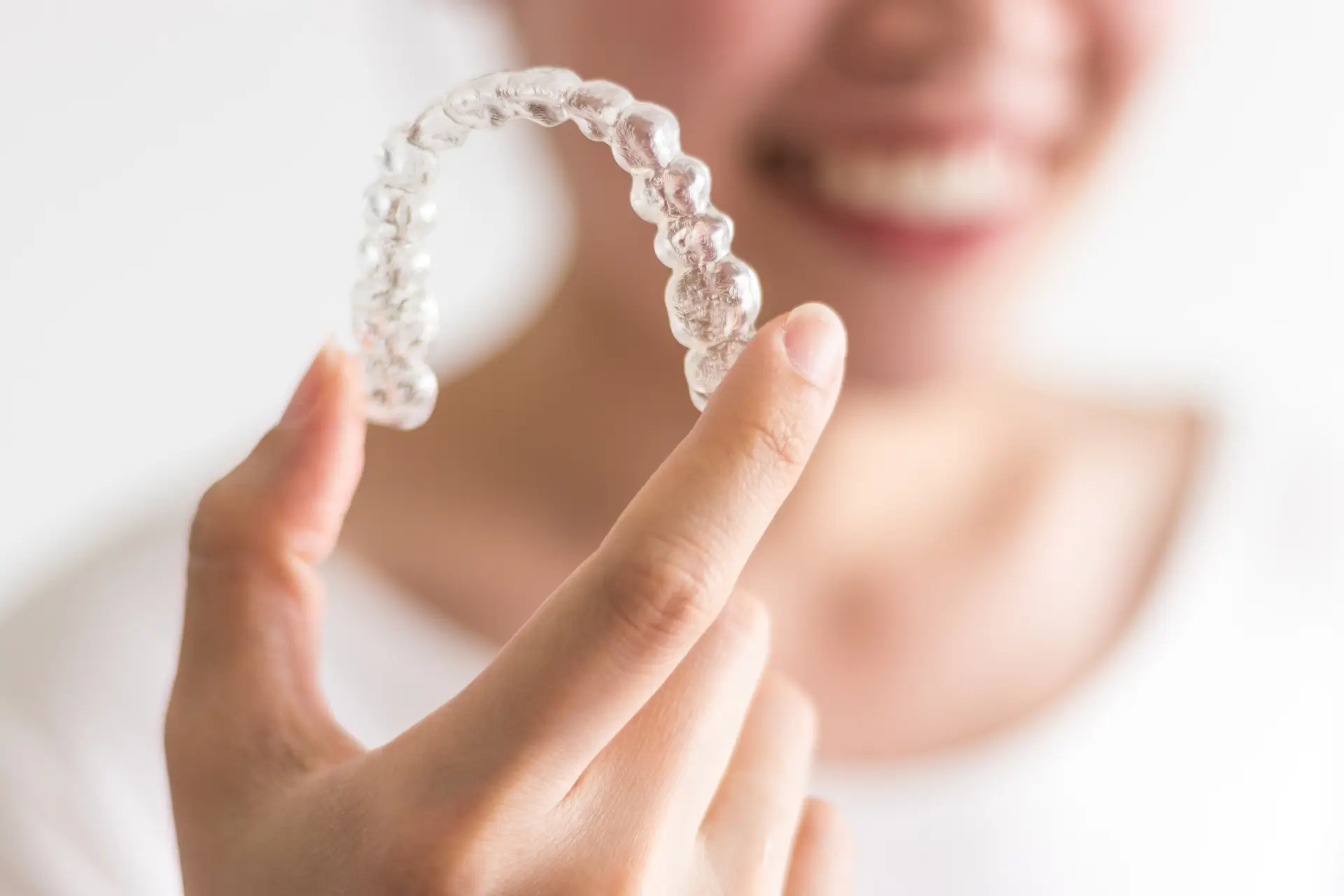
A dental crown is built to take pressure, seal a vulnerable tooth, and restore normal chewing. Even so, crowns come off more often than people expect. It happens during dinner, while flossing, after biting into toast, or sometimes for no obvious reason at all. The moment can feel dramatic, especially if the tooth underneath looks small, dark, or oddly shaped. Many people assume they have lost the tooth itself. Usually they have not. In most cases, the crown has detached from the tooth structure underneath, and the situation is urgent but manageable.
What matters most in a Dental Emergency like this is protecting the exposed tooth and getting the crown evaluated quickly. Time matters because the uncovered tooth can become sensitive, shift slightly, crack further, or collect bacteria and food debris. A crown that came off cleanly can sometimes be recemented. A crown that is bent, fractured, decayed around the edges, or attached to a broken core often needs a different solution. The first few hours can make the next step much easier.
If you are dealing with a crown that has fallen off, the good news is that there are practical things you can do right away that reduce the risk of pain and additional damage.
First, figure out what actually came off
Patients often describe very different situations with the same words. One person says, “My crown fell out,” when the entire crown popped off in one piece and the underlying tooth is still present. Another means the crown came off with a metal post attached. Another has a piece of crown and a chunk of tooth in hand. Those details change the urgency and the likely repair.
A simple crown that slips off cleanly is often the most straightforward scenario. You may notice a cap-shaped piece in your mouth, sometimes with a hollow underside. The tooth left behind Dental Emergency may look shorter than neighboring teeth, sometimes smooth, sometimes jagged. If the crown came off with a buildup material, post, or fragment of tooth attached, that raises the chances of a fracture or failure beneath the surface. In that case, save everything and bring it to the dental office.
The feel of the tooth matters too. Some exposed teeth are merely strange to the tongue. Others are very sensitive to air, cold water, sweets, or pressure. Pain does not always mean severe damage, but increasing sensitivity is a sign the tooth needs prompt attention.
What to do in the first hour
The first goal is preservation. The second is comfort. The third is avoiding a well-intended mistake that turns a simple repair into a more complicated one.
- Remove the crown from your mouth and store it in a clean container or small plastic bag.
- Rinse your mouth gently with lukewarm water to clear away food particles.
- If the tooth is tender, avoid chewing on that side and choose soft foods.
- Call your dentist as soon as possible and explain that a crown has come off.
- If the area is sharp or highly sensitive, use temporary dental cement from a pharmacy only if your dentist advises it, or if you cannot be seen promptly.
That last point deserves emphasis. Temporary dental cement can be useful, but it is often overused or used incorrectly. I have seen crowns packed with household glue, denture adhesive, toothpaste, and even chewing gum. Those products can irritate tissue, trap bacteria, distort the fit, and make the dentist’s job much harder. If you need a temporary measure, use only a product designed for temporary dental use, and use a very small amount.
Why crowns fall off in the first place
Crowns rarely fall off without a reason. Sometimes the reason is simple, such as old cement losing retention over time. Sometimes it points to a larger issue, such as decay, grinding, or a fracture in the underlying tooth.
A crown may loosen because cement washes out gradually around the edges. This tends to happen with older crowns, especially if they have been in place for many years. People are often surprised to hear that a crown can last a long time and still fail suddenly. From the patient’s perspective it feels abrupt. From the tooth’s perspective, it may have been loosening little by little for months.
Decay is another common cause. Bacteria can sneak in at the crown margin, particularly if there is a gap, chronic plaque buildup, or a hard-to-clean area. Once decay undermines the tooth structure, the crown no longer has a solid foundation. In those cases, recementing the same crown is often not enough because the tooth itself needs treatment first.
Bite forces matter too. A person who clenches or grinds at night can place extraordinary stress on a crown, especially on molars. I have seen crowns come off repeatedly in patients with heavy bite pressure until the underlying grinding habit was addressed with a night guard or bite adjustment. Sticky foods also play a role. Caramel, gummy candy, and even very fresh crusty bread can dislodge a crown that was already borderline loose.
Then there are structural problems. If the tooth beneath the crown has fractured, or if the buildup core has failed, the crown may fall off with part of the internal support attached. That changes the conversation from “Can we glue this back on?” to “Is there enough sound tooth left to restore?”
Should you try putting it back yourself?
Sometimes, but with caution.
If the crown came off cleanly, the tooth is not bleeding, and the crown appears intact, some dentists will advise a patient by phone on whether a temporary reseating attempt makes sense until the appointment. This is usually considered when the fit seems obvious and the tooth is very sensitive without coverage. Even then, the crown should not be forced into place. If it does not seat passively and fully, stop. A misaligned crown can throw off your bite and put pressure where it should not be.
A common mistake is to bite down hard to “snap” the crown back into position. That can crack porcelain, damage the tooth, or lodge the crown incorrectly. Another mistake is testing the fit over and over during the day. Repeated handling can contaminate the inside of the crown and irritate the tooth.
If you are not certain of the orientation, or if the crown came off with anything attached inside it besides old cement, leave it out and bring it in. That is usually safer than guessing.
How to protect the exposed tooth until your appointment
An exposed crowned tooth is vulnerable for two reasons. First, the prepared tooth under a crown is often smaller and less protected than a natural unaltered tooth. Second, if the crown came off because of decay or fracture, the remaining structure may already be weakened.
Try to chew on the opposite side. Keep foods soft and not too hot or cold if sensitivity is an issue. Yogurt, eggs, pasta, soup that is warm rather than steaming, oatmeal, and softer cooked vegetables are usually easier to manage than nuts, crusty bread, raw carrots, steak, or crunchy snacks. Avoid sticky foods completely. They can tug at any temporary material and irritate the area.
Oral hygiene still matters. Brush gently around the tooth, but do not scrub the exposed area aggressively. If floss catches around the site, slide it out rather than snapping it back up. That small change reduces the chance of dislodging a temporarily reseated crown or irritating the gums further.
If the tooth has a sharp edge rubbing your cheek or tongue, a small amount of orthodontic wax can help as a short-term barrier. This is a comfort measure, not a repair.
When the situation is more urgent than it looks
Not every lost crown needs the emergency slot, but some do. The challenge is that people often minimize the problem because there is not much pain at first. The opposite can also happen. A person feels a rush of panic because the tooth looks alarming, even though it is stable and can wait a day or two. The deciding factor is not appearance alone. It is the combination of pain, fracture, swelling, fit, and function.
- Call for same-day or next-day care if you have significant pain, swelling, bleeding, or a crown that came off with part of the tooth attached.
- Seek prompt evaluation if you cannot close your teeth comfortably, or if the exposed tooth is sharp enough to injure your tongue or cheek.
- Treat it as more urgent if the tooth had a root canal and a post, and the crown came off with that internal structure attached.
- Do not delay if you see obvious dark decay, a foul taste, pus, or gum swelling near the tooth.
- If you develop facial swelling, fever, or trouble swallowing, contact an emergency dental provider or urgent medical care right away.
Those last symptoms suggest the issue may be bigger than a loose crown. Infection can spread, and that is no longer just a matter of replacing a cap.
What your dentist is likely to do
The appointment is usually more involved than simply “gluing it back on.” A careful dentist will first inspect the crown itself, then the tooth, then the bite. The old cement is removed. The crown is checked for cracks, distortion, open margins, and wear. The tooth is examined for recurrent decay, fracture lines, remaining tooth height, and the condition of the core material underneath. X-rays are often useful, especially if there is pain, suspected decay, or a history of root canal treatment.
If the crown and tooth are both sound, recementation may be straightforward. This is the best-case scenario, and it happens often enough, especially with crowns that loosened because of aging cement. When it works, it is quick, conservative, and relatively affordable compared with making a new restoration.
If the crown no longer fits correctly, perhaps because the tooth has decayed, shifted, or fractured, a new crown may be needed. Sometimes the dentist can place a temporary crown the same day and prepare for a permanent replacement later. In some cases the tooth needs buildup first, which means replacing the lost internal support before a new crown can be made.
There are also moments when the crown falling off exposes a deeper problem, such as a root fracture or insufficient remaining tooth structure. In that situation, saving the tooth may not be possible. Patients do not like hearing that, but it is better to know the real condition than to repeatedly recement a failing restoration. Temporary success can hide a structural failure for only so long.
If the crown was on a front tooth
Front-tooth crowns create a different kind of emergency. The pain may be mild, but the impact on speech, appearance, and confidence can be immediate. People who work face-to-face with clients, teach, speak publicly, or attend important events often need a rapid cosmetic solution.
The practical advice stays the same, but urgency rises for social and functional reasons. A front tooth without its crown may be more visible, more temperature-sensitive, and more difficult to protect from accidental biting. Dentists often try to accommodate these cases quickly, even when the underlying issue is not medically severe, because the disruption is real. If the original crown is intact, temporary recementation may be possible while a longer-term plan is made.
One caution with front crowns: do not repeatedly look in the mirror and tap the exposed tooth with your fingers or bite your lip around it. That sounds trivial, but people do it often when anxious, and the repeated pressure can worsen tenderness.
Pain control that makes sense
Most fallen crowns do not create unbearable pain, but the exposed tooth can become quite sensitive. Cold air is a common trigger. So is sweet food. If discomfort is building while you wait for care, over-the-counter pain medicine may help if you normally take it safely and have no medical reason to avoid it. Follow the package directions or your physician’s advice. A cold compress on the outside of the cheek can help if there is soreness or mild swelling, though swelling itself deserves prompt attention.
What usually does not help is placing aspirin directly on the gum. This old home remedy can actually burn soft tissue. Alcohol-based rinses can sting and irritate the area too. Gentle warm saltwater rinses are a better choice if the gums feel inflamed, though they will not solve the structural problem.
What if the tooth had a root canal?
People are often confused when a root-canaled tooth loses its crown but does not hurt much. That can happen because the nerve tissue has already been removed. Lack of pain, however, does not mean the situation is minor. In fact, these teeth can be more fragile. Many root-canaled teeth have lost substantial internal structure over time, which is one reason they often need crowns in the first place.
If a crown from a root-canaled tooth falls off, look carefully at what came with it. Sometimes the post and core come out attached to the crown. That is a sign the internal retention has failed. Rebuilding the tooth may still be possible, but it often requires more than recementing the original crown. Delay is unwise because the remaining root structure may be vulnerable to fracture or contamination.
A note about children and older adults
Crowns in children are a different category, especially stainless steel crowns on baby teeth. Those are common in pediatric dentistry and can come loose, particularly if the underlying tooth resorbs naturally as the permanent tooth develops. The urgency depends on the child’s age, discomfort, and whether there is risk of swallowing the crown. A pediatric dentist should still be contacted promptly.
In older adults, crowns may come off because the tooth has been restored many times over the years and there is simply less natural structure left. Dry mouth from medications can increase decay risk around crown margins. Reduced hand dexterity can make cleaning more difficult. These factors matter because they affect whether the same crown can go back on and how likely the problem is to recur.
How to reduce the chance of it happening again
When a crown has already come off once, prevention becomes a real part of treatment. Sometimes the fix is as simple as replacing an old crown with a better-fitting one. Sometimes it involves addressing the reason the first crown failed.
A patient who clenches at night may need a custom night guard. Someone with frequent decay around crowns may need a different hygiene strategy, more fluoride support, or help managing dry mouth. A crown placed on a very short tooth may need improved retention or, in selected cases, additional procedures to create a better foundation. Bite problems should not be ignored. If one tooth takes excessive force every time you chew, the cement is not the whole story.
Food habits matter more than many people realize. Sticky candies are obvious culprits, but hard foods can be just as damaging. I have seen crowns loosen after people crack ice, bite pens, tear open packaging with their teeth, or chew on unpopped popcorn kernels. Those habits tend to seem harmless until a restoration fails.
Routine dental visits are not just about cleaning. They are often where a dentist catches a slightly open crown margin, a subtle crack line, or early decay before the crown comes off at an inconvenient moment. When patients say, “It felt fine until yesterday,” that is often true from their perspective. Dentistry is full of slow changes that stay quiet until they cross a threshold.
The most important thing to remember
A fallen crown is rarely something to ignore, even if the pain is mild. In a Dental Emergency, the smartest approach is calm, quick, and practical. Save the crown. Protect the tooth. Avoid improvised fixes. Get professional guidance as soon as you can.
Many crowns can be recemented successfully when patients act early and keep the restoration intact. The ones that turn into larger, more expensive problems are often the cases where the tooth stayed uncovered too long, the crown was glued back with the wrong material, or the underlying cause was never addressed. A crown falling off is a message, not just an inconvenience. The faster that message is evaluated, the better the chances of preserving the tooth comfortably and predictably.
Vitality Dental
Address: 1220 Coit Rd #106, Plano, TX 75075
Phone number: +19726454100
FAQ About Dental Emergency
What can the ER do for a tooth?
An emergency room (ER) can manage pain and treat severe infections with medication, but it cannot fix or pull a tooth.
What is considered a dental emergency?
A dental emergency is any oral health problem that involves severe pain, uncontrollable bleeding, or an infection that threatens your health or requires immediate care to save a tooth.
Is there a 24-hour dental service in Plano, TX?
There is no physical dental clinic in Plano, Texas, that stays open with walk-in staff 24 hours a day, but several offices offer 24/7 phone support, late-night hours, or same-day emergency care.