Emergency Dentist Steps to Take After Biting Down on Something Hard
It usually happens in an ordinary moment. A forkful of salad hides an olive pit. A piece of bread has a seed baked into the crust. Ice from a drink slips between the molars. Then comes the sharp crack, or a jolt that seems to travel straight into the jaw. Sometimes there is immediate pain. Sometimes there is only a strange rough edge and the uneasy sense that something is no longer right.
When you bite down on something hard, the tooth can react in several ways. Enamel may chip. A filling or crown may loosen. A crack may form above or below the gumline. In some cases, the tooth itself survives the impact, but the ligament around it becomes bruised and tender, making chewing painful for days. The right response depends on which of those injuries occurred, but the first few steps are similar and they matter more than most people realize.
A small chip can turn into a larger fracture if you keep chewing on it. A cracked tooth can become an infected tooth if bacteria reach the inner pulp. A dislodged crown that seems like a nuisance at breakfast can become a true dental emergency by evening if the underlying tooth is exposed and highly sensitive. That is why a calm, methodical response is the best first aid.
What may have happened inside the tooth
Teeth are strong, but they are not indestructible. Enamel handles daily pressure well, yet it is brittle under the wrong kind of force. Biting directly on a hard object creates a concentrated load. If that force lands on a thin cusp, an old filling, a root canal treated tooth, or a tooth with hidden decay, the risk of breakage rises sharply.
The least serious outcome is often a minor enamel chip. You may feel a rough edge with your tongue, but the tooth may not hurt much. A deeper fracture can expose dentin, the layer beneath enamel, which tends to be more sensitive to air, cold drinks, and sweets. If the impact extends farther into the pulp, where the nerve and blood supply live, pain often becomes more intense and persistent.
Molars are frequent casualties because they absorb most of the chewing force. Teeth that already have large fillings or crowns are also vulnerable. That surprises people. They assume a crowned tooth is reinforced like armor. In reality, crowns protect teeth well, but the remaining natural structure underneath can still fail, especially if the bite force is sudden and off center.
There is also the problem of cracked tooth syndrome, a term dentists use when a tooth develops a crack that may not be visible on a quick glance. These cases are tricky. The tooth may look almost normal, yet the patient reports a very specific kind of pain, often a sharp zing when biting down or releasing pressure. That detail, pain on release, is one of the classic clues.
The first hour matters
If you have just bitten down on something hard and suspect damage, avoid the common mistake of testing the tooth over and over. People do this constantly. They tap it. They chew on the other side, then the same side. They run their tongue over the area every thirty seconds. All of that tends to worsen irritation and tells you very little beyond the fact that the tooth is already injured.
Use this short approach instead:
- Stop chewing immediately and remove any remaining food or fragments from your mouth.
- Rinse gently with lukewarm water to clear debris and get a better sense of the area.
- If there is swelling or jaw soreness, hold a cold compress against the outside of the cheek for 10 to 15 minutes at a time.
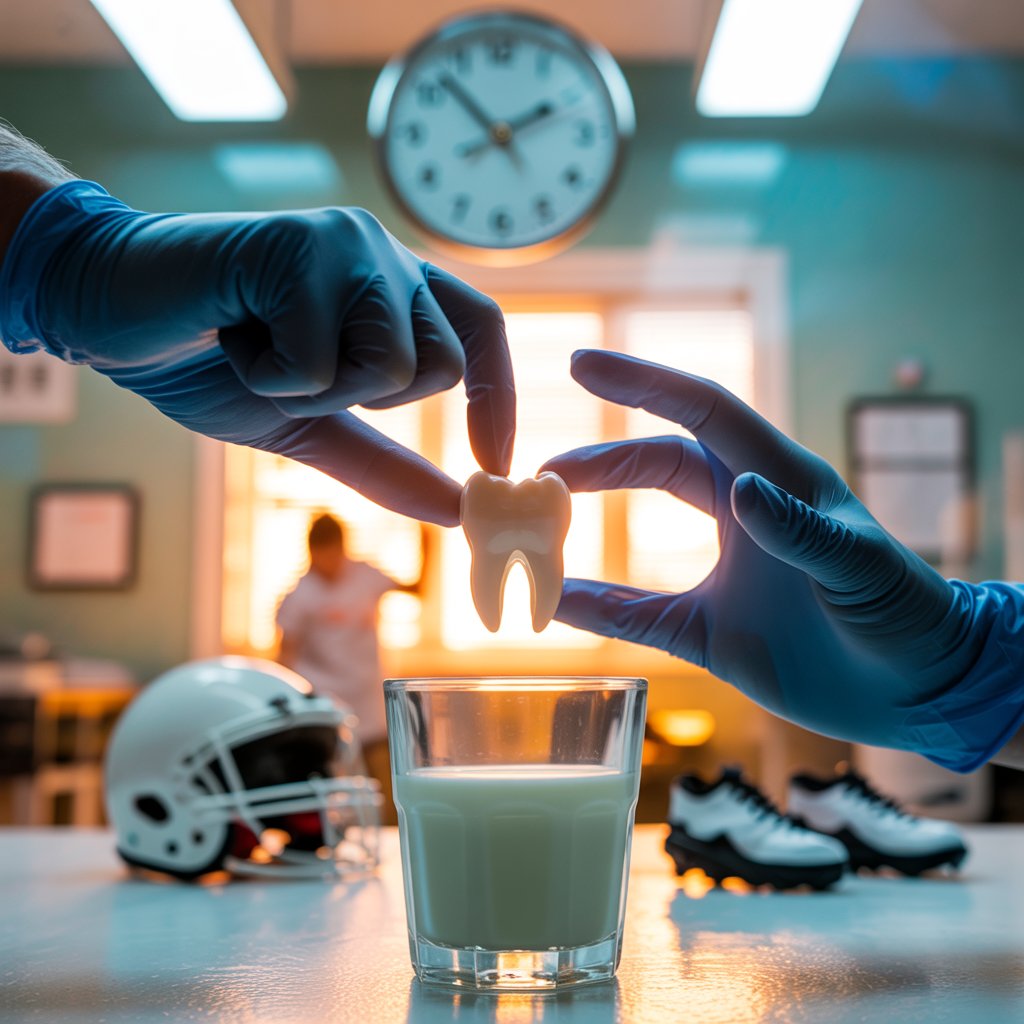
- Save any broken tooth piece, crown, or filling if you can find it, and place it in a clean container.
- Call a dentist promptly, especially if there is pain, sensitivity, bleeding, a loose restoration, or a visible crack.
That last step is where timing matters. Many people wonder whether this is serious enough to call an Emergency Dentist or whether it can wait until the next cleaning. The answer depends less on how dramatic the tooth looks and more on the symptoms. A tiny looking fracture with deep pain can be more urgent than Emergency Dentist vitalitydentaldfw.com a visible chip that causes no tenderness at all.
How to tell whether it is truly urgent
A broken tooth does not always require a middle of the night visit, but some signs should push the situation out of the wait and see category. Severe pain is one. So is swelling, especially if the gum or face begins to puff up. A tooth that feels loose after the bite can indicate more extensive damage to the tooth or supporting bone. Bleeding that does not settle is another warning sign.
Watch for these red flags that suggest you should seek urgent dental care:
- significant pain that is constant, throbbing, or worsening over a few hours
- swelling of the gum, cheek, or jaw
- a lost crown or large filling with substantial sensitivity to air or temperature
- a visible crack line paired with pain on biting or releasing pressure
- signs of infection such as pus, foul taste, fever, or swollen lymph nodes
One point worth stressing, the absence of severe pain does not guarantee that the damage is minor. Teeth can crack without dramatic symptoms at first. Patients sometimes come in after waiting several weeks because the discomfort seemed manageable. By then, the fracture may have extended or the pulp may have become inflamed beyond recovery. Early assessment often leads to simpler treatment.
What to do for pain before you are seen
Pain from a cracked or chipped tooth can be oddly variable. Some people feel almost nothing until they sip cold water. Others notice a deep ache that radiates toward the ear. If the pain is interfering with normal activity, over the counter medication may help, provided you can take it safely and according to the product label. Many adults do well with ibuprofen or acetaminophen, depending on their medical history and tolerability. If you have kidney disease, liver disease, stomach ulcers, are pregnant, or take blood thinners, that choice becomes less straightforward, so be cautious and follow medical guidance.
Cold can help if the surrounding tissues are inflamed, but avoid placing ice directly on the tooth. A cold compress on the cheek is the better option. Soft foods are wise until the tooth is examined. Yogurt, eggs, oatmeal, soup that is not too hot, mashed potatoes, and smoothies are easier on an injured bite than crusty bread or granola.
Do not place aspirin directly on the gum. That old home remedy still circulates, and it can irritate the tissue without solving the underlying problem. Avoid clove oil unless you know exactly how your tissues react to it, because concentrated products can sting and complicate the picture. Temporary dental cement from a pharmacy can be useful for a lost crown in some situations, but it is not a substitute for a dental visit and should never be forced onto a tooth that is sharply painful or obviously fractured.
If a filling or crown came off
Sometimes the hard bite does not break the tooth itself. Instead, it dislodges a restoration that was already under stress. Fillings can loosen when decay forms underneath them or when the tooth flexes enough to break the seal. Crowns can pop off if the cement fails, if the tooth underneath has changed shape from decay, or if the impact was strong enough to break retention.
If a crown comes off cleanly, save it. Dentists can sometimes recement the same crown if it is intact and the fit is still good. Rinse it gently. Do not scrub it aggressively or attempt to glue it back with household adhesive. Super glue has no place in the mouth. It creates a mess, can injure tissue, and often makes proper repair harder.
A lost filling leaves the tooth more vulnerable to sensitivity and further fracture. If the area is not very painful, a pharmacy temporary filling material may protect it for a day or two until you are seen. That said, if the tooth hurts when biting, feels sharp at the gumline, or seems cracked, temporary material can mask a more serious problem. This is where an experienced Emergency Dentist can make an important call quickly, often with an exam and X rays that show whether the damage is superficial or structural.
If part of the tooth chipped off
A chipped front tooth and a chipped molar feel very different. Front tooth chips are often noticed because of appearance or a rough edge against the lip. Molars tend to announce themselves through chewing pain. Small enamel chips may be smoothed and polished, bonded with tooth colored material, or left alone if they pose no functional issue. Larger fractures usually need restoration to protect the remaining structure.
If the broken piece is large enough to find, save it. In selected cases, especially with a recent front tooth fracture, the fragment can sometimes be bonded back into place. That is not always possible, but it is worth preserving the piece and bringing it in. Wrap it in moist gauze or place it in a clean container.
People often ask whether a chipped tooth can wait a week or two. If there is no pain and the chip is truly minor, a brief delay may be acceptable. Still, even small chips can have sharp edges that cut the tongue or lip, and they can collect plaque more easily. It is usually smarter to have the tooth evaluated sooner rather than later.
The more concerning injury, a crack you cannot see well
Cracks are deceptive. A dramatic break is at least obvious. A subtle crack can be harder to identify and easier to underestimate. Patients often describe a moment of biting on something hard followed by intermittent pain that seems inconsistent. They can chew fine for a few bites, then suddenly hit the angle that triggers a flash of pain. Cold sensitivity may come and go. Sometimes there is no visible defect at all.
Dentists diagnose these injuries through a combination of history, bite tests, magnification, transillumination, X rays, and response to temperature. Not every crack shows up clearly on imaging. That frustrates people, but it is common. The tooth tells its story through symptoms as much as through pictures.
Treatment varies widely. A cracked cusp on a back tooth may be treated with a crown after removing the unstable portion. A crack that has irritated the pulp may need root canal treatment before the crown. If the crack extends deep below the gum or down the root, saving the tooth may not be predictable. This is the uncomfortable reality of dental trauma, early treatment improves the odds, but not every tooth can be rescued.
Why waiting can change the outcome
There is a narrow but important window in which the injured tooth is vulnerable without yet being beyond repair. During that time, bacteria can enter through the damaged area. Repeated chewing can deepen the fracture. Temperature changes can aggravate an inflamed nerve. What started as a repairable crack may become a root canal case, or worse, an extraction.
I have seen patients who finished the workday chewing on the other side, hoping the pain would settle. By the time they came in, the tooth had split enough that the prognosis dropped sharply. I have also seen the opposite, someone called the same morning, protected the tooth, came in promptly, and left with a straightforward restoration and a much better chance of long term success. Those different endings often come down to timing, not toughness.
What the dentist is likely to do
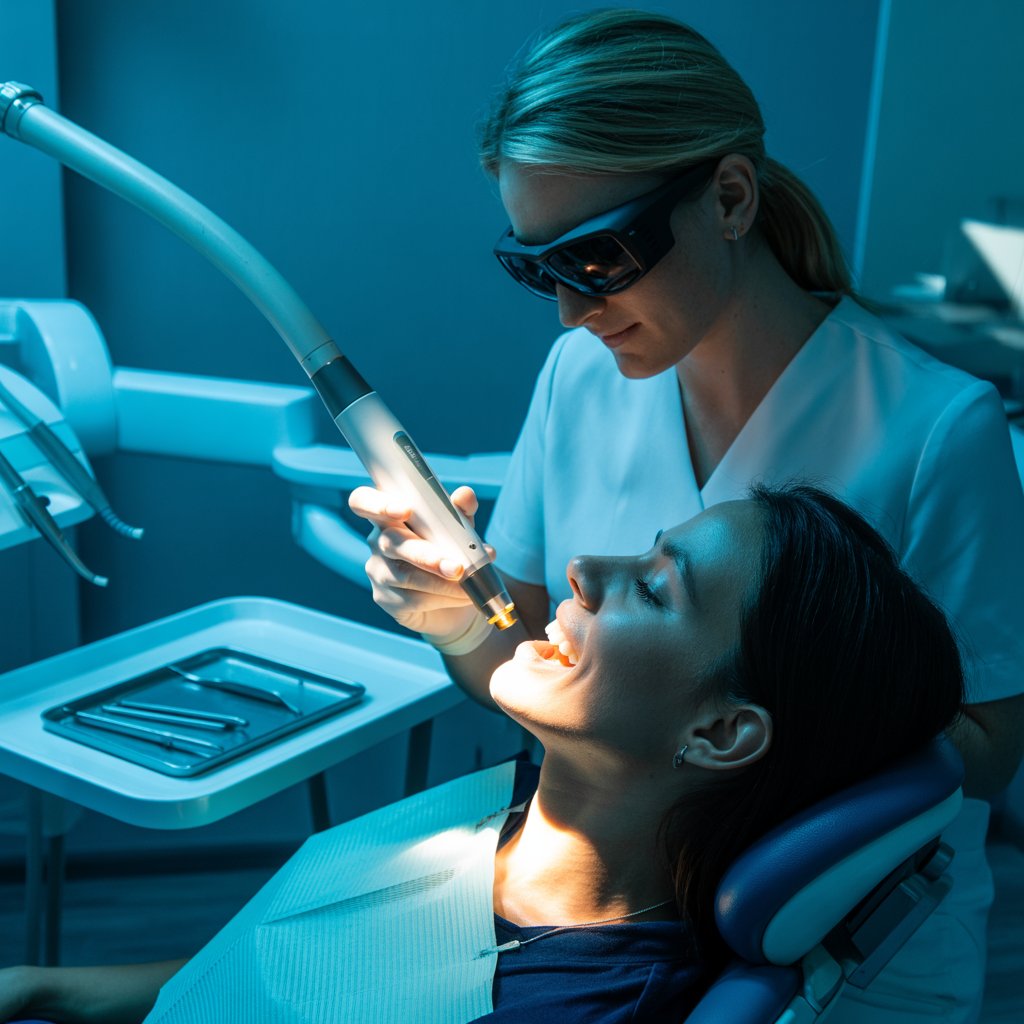
The appointment is usually more practical than dramatic. First comes a close look, then X rays if needed, then a few targeted tests to pinpoint where the damage lies. The dentist will want to know exactly what you bit, when it happened, whether the pain occurs on biting or release, whether hot or cold triggers it, and whether the tooth has had prior work.
If the issue is a rough enamel chip, smoothing or bonding may solve it on the spot. If a filling came out, replacement may be possible the same day if the tooth structure is sound. A crown that has come off may be recemented or remade, depending on fit and the condition of the tooth underneath. If the tooth is cracked more deeply, the goal shifts toward stabilizing it, controlling pain, and planning definitive treatment such as a crown or root canal. In severe cases, extraction is discussed, but that is usually after careful evaluation, not as a reflex.
People are sometimes surprised that a dentist may place a temporary solution first. That is not a sign of uncertainty. It is often good clinical judgment. An irritated tooth can evolve over several days. A temporary restoration can protect the tooth while symptoms declare themselves more clearly, which helps guide the final treatment.
Special situations that deserve extra caution
Children are a category of their own. A child who chips or fractures a tooth after biting something hard still needs evaluation, even if the pain fades quickly. Baby teeth matter because infection or trauma can affect the developing permanent teeth beneath them. Permanent teeth in children and teenagers also respond differently to trauma, especially if the roots are still developing.
People with a history of teeth grinding face another challenge. A hard bite may be the event that reveals a crack, but the groundwork may have been laid by months or years of nighttime clenching. In those cases, treatment often includes a discussion about bite protection after the emergency has passed.
Older adults with large fillings, crowns, dry mouth, or brittle teeth from wear are also at higher risk. Medications that reduce saliva can make teeth more prone to decay around restorations, which weakens them from within. It is not just the olive pit or the ice cube. It is the condition of the tooth the moment that force lands.
What not to do while waiting for care
The urge to fix things yourself is understandable, especially if you are traveling or trying to get through a busy week. Still, the mouth is unforgiving territory for improvised repairs. Household glues, nail files, metal tools, and repeated pressure testing tend to create new problems. So does chewing on the injured side to see if it feels better. If there is a crack, every bite risks opening it further.
Very hot coffee and very cold drinks can intensify pain in exposed dentin or inflamed pulp. Alcohol can irritate tender tissues. Sticky candy, nuts, popcorn kernels, crusty bread, and tough meats are poor choices until the tooth has been assessed. If the edge is cutting your tongue, sugar free gum or orthodontic wax can sometimes cover the sharp spot briefly, but only as a short bridge to treatment.
Preventing the next emergency
Some hard bites are pure bad luck. Others are predictable. Ice chewing is a Emergency Dentist classic example. So are unpopped popcorn kernels, hard candy, rib bones, fruit pits, and using teeth to open packaging. Most adults know better, but habits are stubborn until they produce a bill.
There is also the less obvious prevention work, keeping restorations in good shape, replacing failing fillings before they fracture the remaining tooth, wearing a night guard if you grind, and getting sensitivity or bite pain checked before a tooth gives way under pressure. Teeth often send warnings before they fail. A twinge when biting, a new cold sensitivity, a crown that feels just slightly loose, these are the quiet signs that something is changing.
When a tooth feels normal again, should you still go?
Yes, especially if you heard or felt a crack, noticed a broken edge, or had pain right after the event. Symptoms can settle temporarily. The nerve inside a tooth does not always declare damage immediately. A tooth can feel calm for a day or two and then flare, particularly after the inflammation builds or the crack propagates. An evaluation is not overreacting. It is prevention.
A good rule is simple. If biting on something hard changed how the tooth looks, feels, or functions, have it checked. If the tooth is painful, sensitive, sharp, loose, or associated with swelling, treat it as urgent. That is when calling an Emergency Dentist is the sensible move, not the dramatic one.
Dental emergencies are rarely convenient, but they are often manageable when handled early. A calm rinse, a cold compress, a soft diet, and a prompt call can make the difference between a quick repair and a much more involved procedure. After a hard bite, protect the tooth, respect the symptoms, and let a dentist decide how deep the damage goes.
Vitality Dental
1220 Coit Rd # 106, Plano, TX 75075, United States
+1 972-645-4100
FAQ About Emergency Dentist
What counts as a dental emergency?
A knocked-out tooth, significant mouth injury, severe tooth pain, or painful swelling warrants prompt evaluation. Call your dentist and describe your symptoms so the office can advise you on how urgently you need care.
What should I do if I knock out a permanent tooth?
Call a dentist immediately. Handle the tooth by the crown, avoid touching the root, and keep it moist. If you cannot put it back into the socket easily, transport it in milk or a tooth-preservation solution. Bring it with you to the appointment.
Should I go to the emergency room for a dental emergency?
Seek emergency medical care right away if you have trouble breathing or swallowing, uncontrolled bleeding, or a serious facial injury. For an isolated tooth injury or toothache without those symptoms, call a dentist promptly for guidance.