Emergency Dentist Plano, TX: Quick Solutions for Cracked Teeth
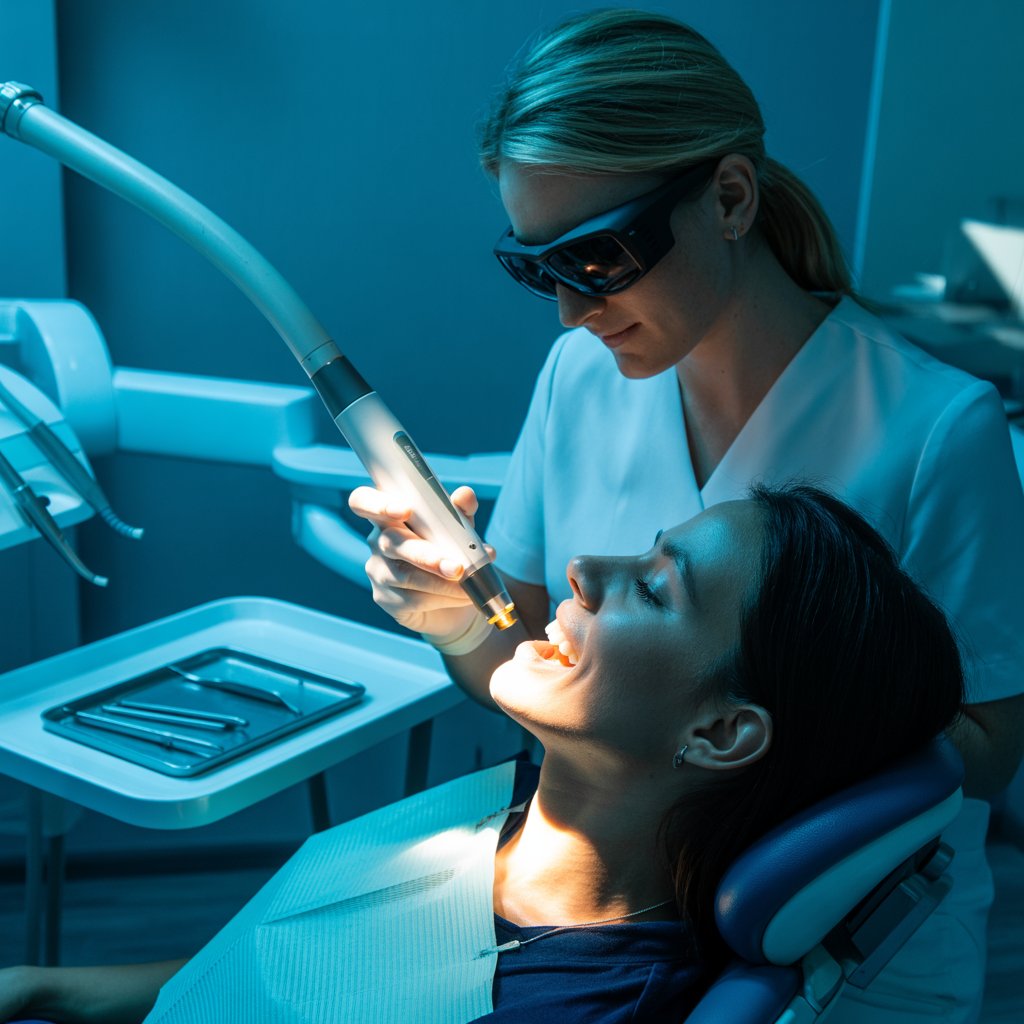
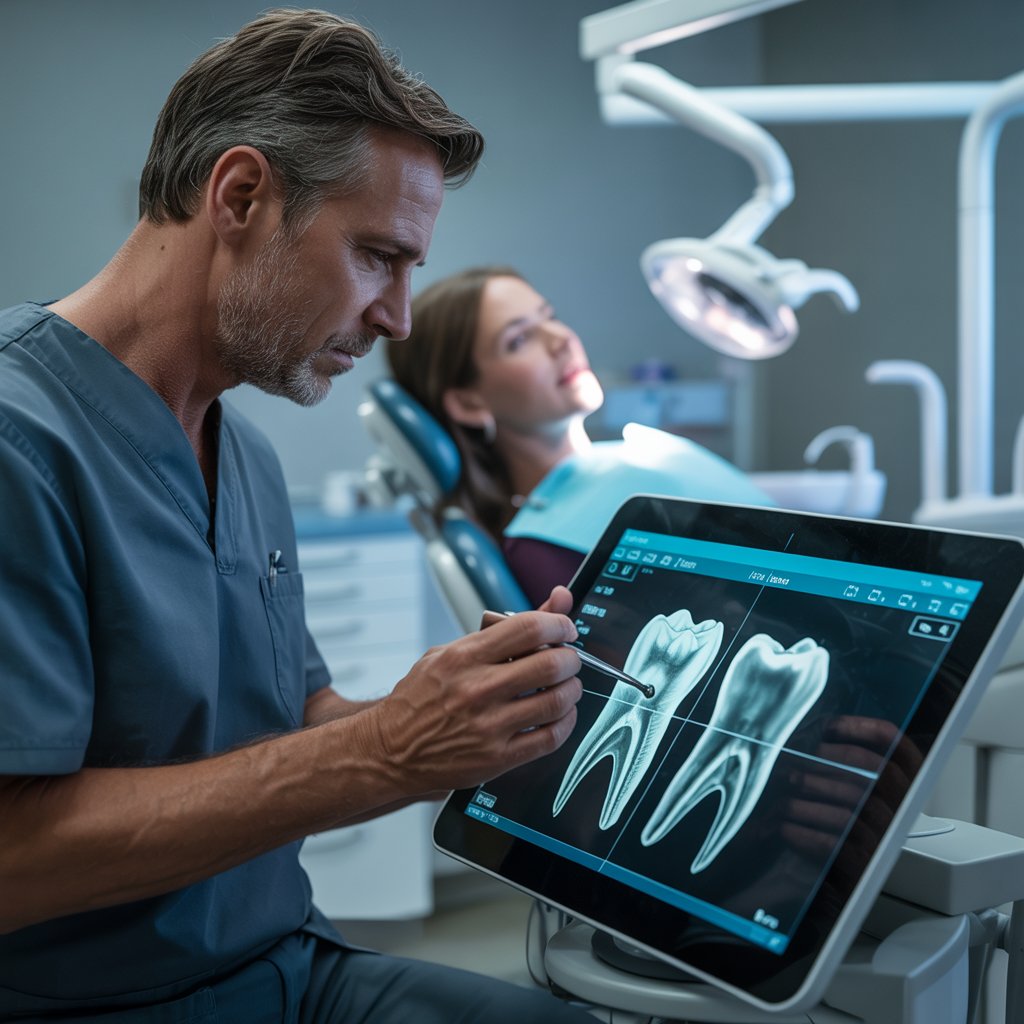
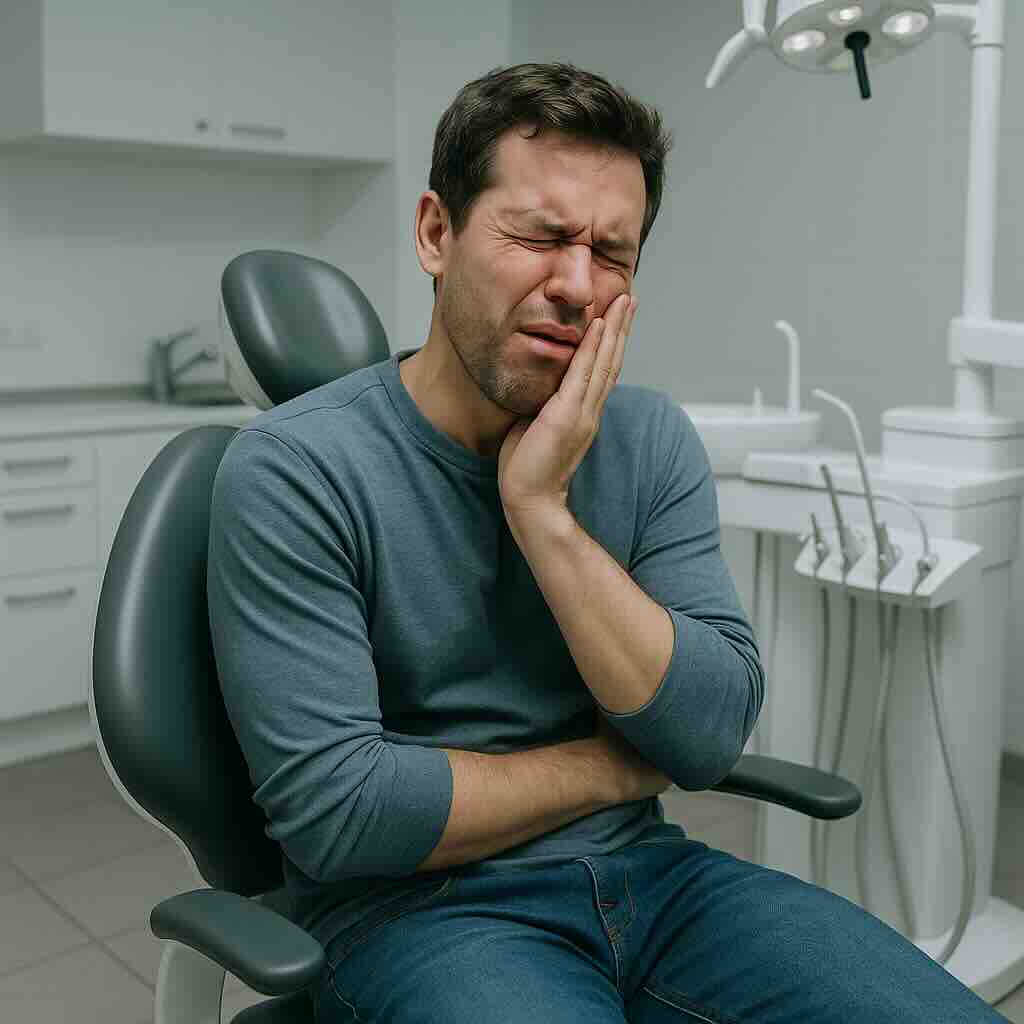
A cracked tooth has a way of turning an ordinary day into a dental emergency. Sometimes it starts with a sharp sting when you sip iced tea. Sometimes it is the rough edge you feel with your tongue after biting into a tortilla chip, a pecan, or a popcorn kernel. And sometimes there is no dramatic moment at all, just a deep ache that gets worse when you chew.
In a busy city like Plano, where schedules are packed and people tend to push through discomfort, cracked teeth often get ignored for a little too long. That is a mistake. Small cracks can become large fractures, and a problem that might have been stabilized with a conservative repair can quickly become a root canal, a crown, or even an extraction. When pain arrives suddenly, seeing an Emergency dentist Plano, TX patients trust can make the difference between saving a tooth and losing it.
The good news is that not every crack means the same thing, and not every case requires the same treatment. Quick action matters, but so does accurate judgment. The right response depends on where the crack is, how deep it runs, whether the nerve is involved, and how much tooth structure remains.
Why cracked teeth are so common
Teeth are remarkably strong, but they are not indestructible. In practice, cracked teeth show up for a handful of familiar reasons. Large fillings weaken the remaining tooth walls over time. Clenching and grinding put enormous pressure on back teeth, especially at night. Sudden trauma, like getting hit in the mouth during a game or slipping on wet pavement, can create obvious fractures. Even healthy teeth can crack after years of repetitive force.
Age also plays a role. Teeth flex microscopically with normal use. Over decades, that repeated loading can create lines and fractures, particularly in molars that absorb the force of chewing. People in their forties and fifties often discover this the hard way, usually while eating something they have eaten a hundred times before.
Plano dentists also see a seasonal pattern. Summer sports, holiday candy, hard nuts, and ice chewing all contribute. The person who cracks a tooth on a jawbreaker is memorable, but the more common story is less dramatic. It is the patient with stress-related grinding, old dental work, and one weak cusp that finally gives way.
Not every crack looks dramatic
One of the hardest parts about cracked teeth is that many of them are easy to miss. A tooth can look almost normal in the mirror and still be in serious trouble. Hairline craze lines in enamel are usually harmless and often cosmetic. A split cusp, on the other hand, may only show a small chip above the gumline while the structural damage extends farther than expected.
Symptoms can also come and go, which confuses people. A tooth may hurt only when releasing a bite, not when closing down. Cold sensitivity may last a few seconds one day and feel absent the next. Some patients report that the tooth feels fine in the morning and unbearable by dinner. That pattern does not mean the problem is minor. It often means the crack is moving under pressure.
Dentists use a mix of visual examination, magnification, bite testing, percussion, temperature testing, and X-rays to piece together the diagnosis. Standard dental X-rays do not always reveal a crack directly, especially if the fracture line runs front to back rather than side to side. Diagnosis often relies on symptom pattern and clinical testing as much as imaging.
The first few hours matter
When a tooth cracks, the clock starts. Bacteria can enter vulnerable areas. Sharp edges can cut the tongue or cheek. Pieces can break off further during the next meal. If the inner dentin or pulp is exposed, pain can escalate quickly.
That does not mean every cracked tooth needs a midnight visit, but it does mean you should not take a wait-and-see approach for several days. Calling an emergency office promptly gives you options. In many cases, same-day or next-day stabilization protects the tooth until definitive treatment can be completed.
If you are dealing with a suspected crack, keep the response simple and practical:
- Rinse gently with warm water and avoid chewing on that side.
- If there is swelling, use a cold compress on the outside of the face for short intervals.
- Take an over-the-counter pain reliever if you normally tolerate it, following the label instructions.
- If a piece broke off, save it if possible and bring it to the appointment.
- Call an emergency dental office as soon as you can describe the symptoms and get guidance.
Those steps are not treatment, but they can reduce the risk of making the injury worse before a dentist evaluates it.
When it is a true emergency
A lot of people wonder whether a cracked tooth can wait until their regular cleaning appointment. Sometimes it can wait a day or two, but certain signs raise the urgency. Severe pain that keeps you from sleeping, obvious swelling, bleeding from the gum near the tooth, or a tooth that is visibly split should be treated quickly. The same goes for trauma that leaves the bite feeling off or makes it hard to close your teeth together normally.
A cracked front tooth after an accident also deserves prompt care, even if the pain is mild. Appearance matters, of course, but front tooth fractures can involve the nerve, root, or supporting tissues in ways that are not immediately obvious.
One detail many patients overlook is temperature sensitivity that lingers. If cold causes pain that lasts beyond a few seconds, the pulp may be inflamed. That does not guarantee a root canal, but it raises concern that the crack has affected the tooth more deeply. Lingering pain is a sign to move quickly rather than monitor it casually.
What an emergency dentist actually does first
People often assume emergency dentistry means immediate drilling. Often, the first goal is more modest and more important, stabilizing the tooth, controlling pain, and preventing the crack from propagating. An experienced emergency dentist starts by figuring out what kind of crack is present and whether the tooth is restorable.
That first visit may involve smoothing a sharp edge, placing a protective temporary material, adjusting the bite to reduce pressure, or bonding a fractured area if the case is favorable. If the pulp is involved, endodontic treatment may be discussed. If a cusp has broken but the root and most of the tooth remain healthy, a crown is often the long-term answer. If the crack runs vertically through the root, especially below the gumline, saving the tooth becomes much less predictable.
This is where judgment matters more than speed. Quick treatment is valuable, but rushed treatment without a clear diagnosis can be counterproductive. For example, placing a simple filling in a deeply cracked molar may provide brief relief while allowing the fracture to worsen under function. In contrast, a well-planned crown or onlay can bind the tooth together and protect it from further splitting.
The main types of cracked teeth and what they usually require
Cracks are not one-size-fits-all. A small enamel craze line is very different from a split tooth. Dentists think about cracked teeth in categories because those categories guide prognosis and treatment.
A craze line is the least concerning. These are tiny superficial lines in the enamel. They are common, especially in adults, and usually do not require treatment unless appearance is an issue.
A fractured cusp happens when one part of the chewing surface breaks away, often around an older filling. These cases are frequently very repairable. Depending on the amount of damage, the tooth may need bonding, an onlay, or a full crown.
A cracked tooth, in the classic sense, is more serious. The crack starts on the chewing surface and extends toward the root. It may not be separated into pieces, but it flexes under pressure and can irritate the pulp. These teeth often need crowns, and some need root canal treatment if the nerve is inflamed or infected.
A split tooth is a progressed version of a cracked tooth. The fracture divides the tooth into distinct segments. Prognosis is usually poor, though occasionally part of the tooth can be retained depending on the location of the split.
A vertical root fracture begins in the root and may not be visible from above. These are among the most difficult to save. They often present with localized Emergency dentist Plano, TX swelling or a narrow periodontal defect, and extraction is common.
Patients rarely need to memorize those terms. What matters is understanding that the treatment is determined by the pattern of damage, not just by how much pain you feel.
Repair options your dentist may recommend
Once the tooth is stabilized and diagnosed, the repair plan usually falls into one of several paths. Bonding works well for small chips or minor fractures, especially on front teeth. It is conservative and often can be completed in one visit. It is not always strong enough for heavily loaded back teeth with deeper structural cracks.
Crowns remain one of the most reliable solutions for many cracked molars and premolars. A crown covers the tooth and helps hold it together under chewing forces. In real life, this is one of the most common ways dentists save a tooth that still has enough healthy structure to support restoration. Patients sometimes resist crowns because they think a filling would be simpler or cheaper. Short term, maybe. Long term, a large filling on a cracked tooth is often false economy.
Onlays occupy a useful middle ground. They cover one or more cusps while preserving more natural tooth than a full crown. In the right case, especially when damage is substantial but not overwhelming, an onlay can offer strength with less reduction.
Root canal therapy enters the conversation when the crack has irritated or infected the pulp. Many people fear this more than the crack itself, but modern root canals are typically manageable and are often what allows a painful tooth to be saved. The root canal removes damaged pulp tissue, then the tooth is generally protected with a crown afterward.
Extraction is the last resort, but it is sometimes the right one. If the crack extends too far below the gumline or through the root, keeping the tooth may not be predictable. In those cases, a straightforward decision made early can spare the patient weeks of pain, repeated temporary fixes, and escalating cost.
A common Plano scenario: the cracked molar that “only hurt sometimes”
One of the most typical cases is the patient who says, “It only hurts when I chew certain things.” Usually it is a lower molar with a large old silver filling or a wide Emergency dentist Plano, TX tooth-colored filling. The tooth may feel fine at rest, then send a sharp jolt when chewing granola, steak, or a crusty sandwich. Tap tests can be mild. X-rays may look unremarkable. But a bite test on one cusp reproduces the pain instantly.
In that situation, waiting for severe pain is a gamble. Sometimes a crown placed before the nerve becomes inflamed will save the tooth without further treatment. Delay too long, and the same tooth may progress to irreversible pulpitis, then need root canal therapy in addition to the crown. That is a meaningful difference in cost, time, and complexity.
I have seen this pattern repeatedly in busy professionals who put off care because the pain was inconsistent. Intermittent pain tends to lull people into thinking the problem is minor. With cracks, intermittent can still mean urgent.
What to expect during the appointment
The first emergency visit is usually more diagnostic than many patients expect. You will likely be asked when the pain started, whether it hurts on biting or release, whether hot or cold triggers it, and whether there was any obvious injury. The dentist will examine the tooth, surrounding gums, bite, and adjacent teeth. Sometimes a dye, transillumination, or a special bite stick helps locate the problem area.
If the tooth can be saved, the office may provide immediate relief the same day. That can mean a sedative filling, bonding, temporary crown material, a bite adjustment, or moving straight into definitive treatment if time and diagnosis permit. If the damage is complex, the goal of the emergency visit may be to control symptoms and protect the tooth until the full procedure is scheduled.
Cost naturally comes up. Exact fees vary by office, materials, and complexity. It is reasonable to ask whether the recommended step is definitive treatment or a temporary measure, what the likely next phase will be, and what signs mean you should call back sooner. Good emergency care is not only about what gets done in the chair. It is also about clear expectations.
Pain control before and after treatment
Pain from a crack tends to come from three sources: movement of the fractured tooth structure, pulp inflammation, and surrounding soft tissue irritation. Once the tooth is stabilized, the first source often improves quickly. The other two may take a bit longer.
For many adults, ibuprofen or acetaminophen can help, depending on medical history and physician guidance. Dentists often discuss which option makes more sense based on your medications, stomach history, kidney function, or other health factors. That individualized judgment matters. A one-size-fits-all recommendation is not good medicine.
After treatment, some soreness on biting can linger for a few days, especially if the tooth was heavily inflamed before care. A crown that feels slightly high can also make a tooth feel more tender than expected, so if chewing feels awkward or one spot hits first, report it. A tiny bite adjustment can make a major difference.
What can happen if you wait too long
The most frustrating cracked-tooth cases are the ones that were probably salvageable with simpler treatment if seen earlier. Delay can allow the fracture to deepen, bacteria to reach the pulp, or the tooth to lose another piece. That often narrows options.
Here is what prolonged delay commonly leads to:
- A repairable crack becomes a tooth that now needs a crown.
- A tooth that might have avoided endodontic treatment now requires a root canal.
- A fracture extends below the gumline, making the tooth difficult or impossible to restore.
- Infection develops, bringing swelling, drainage, or a dental abscess.
- Pain spreads into headaches, jaw soreness, and disrupted sleep.
That progression does not happen in every case, but it happens often enough that cracked teeth should be taken seriously from the start.
Preventing the next crack
Once someone has cracked one tooth, there is often a reason beyond bad luck. Prevention starts with identifying that reason. If you grind your teeth, a night guard can make a real difference. Not a boil-and-bite guard from a drugstore if your bite is complex or your clenching is severe, but a properly fitted appliance designed to distribute forces more evenly.
If you have several large old fillings in back teeth, ask your dentist which teeth are at higher risk. Sometimes a planned crown on a heavily restored tooth prevents an emergency later. This is especially relevant for people who have a history of breaking fillings, cracking cusps, or waking with jaw soreness.
Food habits matter more than many realize. Ice chewing, hard candy, and unpopped popcorn kernels are repeat offenders. So are “healthy” snacks like almonds if you have a vulnerable molar and tend to chew on one side. Using teeth to open packaging is another habit that keeps emergency dentists busy for no good reason.
Regular exams also help because dentists often spot warning signs before a patient feels pain. A crack line around a large filling, wear facets from grinding, or a cusp that has started to undermine can all suggest elevated risk.
Choosing the right emergency dentist in Plano
When you need urgent care, convenience matters, but so does capability. A cracked tooth is not only a pain problem. It is a structural problem. You want a dentist who is comfortable diagnosing subtle fracture patterns and can explain what is predictable versus what is not.
It helps to ask whether the office handles same-day emergencies, whether digital imaging is available, and whether they commonly provide crowns, root canals, or temporary stabilization on site. A good emergency dentist will not guarantee that every cracked tooth can be saved, because that would not be honest. What they should do is tell you plainly where your tooth stands and what your realistic options are.
For many residents searching for an Emergency dentist Plano, TX, the best fit is often an office that balances urgency with careful diagnosis. Fast access is valuable, but fast access plus sound clinical judgment is what protects your long-term outcome.
The bottom line for a cracked tooth
A cracked tooth is one of those problems that rewards prompt, sensible action. The pain can be deceptive, mild one hour and severe the next. The visible damage can also be deceptive, tiny on the surface while more significant underneath. What matters most is getting the tooth evaluated before normal chewing turns a manageable fracture into a much bigger repair.
If the tooth feels sharp, sensitive, or painful when biting, treat that as useful information rather than an inconvenience to push aside. Rinse gently, avoid chewing on it, protect the area, and call for care. In many cases, a timely visit to an emergency dentist can stabilize the tooth, relieve pain quickly, and preserve options that may disappear if you wait.
For anyone in need of an Emergency dentist Plano, TX, the goal is simple: get an accurate diagnosis fast, protect the tooth from further damage, and choose the treatment that gives you the best chance of keeping it healthy and functional for years to come.
Vitality Dental
1220 Coit Rd # 106, Plano, TX 75075, United States
+1 972-645-4100
FAQ About Emergency dentist Plano, TX
Will the ER do anything for dental pain?
An emergency department can assess urgent symptoms and provide medical stabilization. Definitive treatment of the tooth usually requires a dentist. Seek emergency medical care for breathing or swallowing difficulty, uncontrolled bleeding, or serious facial injury.
What to do if I have a dental emergency in the middle of the night?
Contact a dentist or after-hours dental service promptly for guidance. If a permanent tooth is knocked out, keep it moist in milk while seeking immediate care. If symptoms suggest a medical emergency, go to an emergency department.
What qualifies as a dental emergency?
A knocked-out permanent tooth, severe or persistent tooth pain, a significant dental injury, or swelling may require urgent dental assessment. Call a dentist to describe the symptoms and determine timing. Uncontrolled bleeding or difficulty breathing or swallowing requires emergency medical care.